Showing posts with label infant. Show all posts

Tuesday, July 31, 2012

Musing on Elimination Communication

It's time to talk poop.

Elimination Communication, Infant Potty Training, Diaperless babies... the practice has a few terms, but my favorite is definitely EC, because that describes it very well. IPT implies that the baby is in some way being trained, which isn't accurate and we're not fully diaperless here by any means.

I first heard about this when my oldest was about five or six months old and mainly dismissed it as time-consuming. Well, when I realized that she was waking up dry every day, I thought I'd give it a go. I didn't 'catch' every day and I never caught a cue (only timed catches) with her, but there was never any fear of the toilet and she was ready for her first set of panties at 16 months and mostly potty learned at 18 months (we had a regression from illness around 21 months, though, so she didn't finish up until she was two).

I started earlier with my second, around five or six months, actually, and we caught more frequently. She was dry all day for the first time around 14 months, although she didn't fully potty learn until around the same age Lilly did. She had accidents longer, but largely because she seems to not notice she has to go until she's only got a few minutes to go. I can't tell how many times we've had this conversation:

Daddy or Me: "Naomi, do you need to potty?"
Naomi, "Nope!"
D or M: "Why don't you try?"
N: "Okay." A minute passes, she reemerges from the bathroom. "Daddy [or Mommy], you were right!"

She also, like me as a child, just doesn't like to go to the bathroom alone. She doesn't need any help, she just wants someone nearby. The funny thing is that she was my baby who wanted to be on her own the most, but now that she's older, she doesn't like to be alone at all.

With my third, we started even earlier.


She was a week shy of 2 months old when I first took her to potty. This was a post I made on my parenting forum:

She woke up pissed off and I checked her diaper, but it was dry, so I ran for the bathroom to see if I could catch and indeed, I did! Lilly was very excited to watch, lol. She kept yelling "Daddy! Katarina is using the potty like a BIG GIRL!" LOL
...it was interesting, seeing the process and how she struggled to get it to come out and then it just all came out and she relaxed with clear relief. Ahh, Mommy joy over poop!
After that, I noticed that she was getting upset at the same time every night, then she would poop and it would all get better. So, one night after I fed her, I felt that her tummy was hard and recalled that she hadn't pooped all day, so I took her to the potty and waited. After a few minutes, she started going and it took a couple minutes to get all of it out, but the whole time--no super straining, no fussing, no turning red, she was just relaxed in my arms and letting it out. It was a huge difference. She totally waited to be put in the EC position and eliminated. I always thought it would be kinda hard with a newborn, now I feel silly for never having done it before!

I don't catch every time or even every day, but I now have a couple little potties (both Bjorns) and she has even crawled over and rocked until she was put on so she could use it (she's 8 months old now).

This kid was made for EC

Kat does not like diapers, at all. She wants to be naked all the time and while I'm not quite ready for that (nor is she), she does love using the potty. Her sister loves to take her and her dad has even (on the third kid) finally joined in, because she's so easy and happy about it (and he hates how she cries if you even put her in the diaper position--she tries to flip onto her belly and freaks out if she can't).

I'd say the Bjorn little potty is the best, even though there is no inner to take out--it fits in even a small sink and washes out very easily. Elimination Communication doesn't have to be all or nothing, either, so don't be scared of it and since there's no training going on, don't be weirded out.You can start at any time and at the very least, we've never had any potty fear over here.

So, that's our EC story. Do you use EC or have you considered it?

Monday, July 23, 2012

Fascinating Slideshow on Infant Statistics and Attachment

 Original Post Dec 2, 2009 at 4:44 AM on Cafemom

A psychologist friend sent this slideshow to me because 1. she knew I'd enjoy it and 2. she knows I've been unhappy with the damage to the bond and relationship with my middle child due to the epidural hormone inhibition and ensuing postpartum depression and there's a bit in there that cites research regarding brain development in the infants of depressed mothers that shows that breastfeeding protects babies from damaging asymmetry causing negative emotion-related psychopathology. Which means it prevents attachment and developmental problems caused by maternal depression (however, there is clearly damage done by the depression, it simply doesn't fall into the negative, it just prevents baby from rising as high into the positive as non-depressed mother's infants).


It's pretty long, so you'll need 1. Adobe Acrobat or similar program and 2. time to go through it. I'm sure something is lost without the speaker presenting it, but it's still very informative and not too hard to follow for the most part. It does get technical in several parts.

Some quotes:

Separated infants cry much more
..........................KMC babies               ...Cot babies
Number of cries        ...4                              ...41
Seconds cried          ...70                           ...2839

I especially liked slides 225-230 in regards to Kangaroo Care:
Two hospitals in a town in Ecuador, the poorer using [skin to skin contact], compared to the richer using incubators, in a controlled clinical trial... “Enrolment was terminated early because a highly significant difference in severe morbidity at six months emerged, in favour of SSC” [sic]

Slide 234 shows that breastfeeding is improved with skin to skin contact as well as overall health (and that duration of breastfeeding improves healthy outcomes as well).

In all mammals, brain grows in utero until it reaches 80% of full adult size… then BIRTH… then the brain grows the last 20% to final full adult size. Homo sapiens also has a brain that grows along this pattern… the brain reaches 80% of final size at the age of 21 months

Actual birth takes place at 9 months… which makes the human birth one year too soon: Exceedingly Immature

Humans essentially complete gestation outside the womb

In the UTERINE HABITAT, the umbilical cord delivers all the basic biological needs to the fetus. In the NEWBORNS HABITAT, the mother’s breast delivers all the basic biological needs to the fetus.

“Crying, the highest behavioural state, is DETRIMENTAL. It impairs lung functioning, jeopardizes the closure of the foramen ovale, increases intra-cranial pressure, and initiates a cascade of stress reactions”.

“Crying depletes energy reserves and oxygenation, increases intracranial pressure, white blood count and base excess, reestablishes fetal circulation, and interferes with the infant’s ability to interact appropriately with caregivers.”

Mother and offspring live in a biological state that has much in common with addiction. When they are parted the infant does not just miss its mother; it experiences a physical and psychological withdrawal from a host of her sensory stimuli, not unlike the plight of a heroin addict who goes cold turkey.

“Society reaps what it sows in the way that infants and children are treated. Efforts to reduce exposure to stress and abuse [specifically MATERNAL INFANT SEPARATION --Bergman] in early life may have far-reaching impacts on medical and psychiatric health and may reduce aggression, suspicion and untoward stress in future generations.” Martin H Teicher

Saturday, May 5, 2012

Musing on Elimination Diets

Ahh, the elimination diet. The first thing that many moms suggest when someone's baby has so much as a painful toot. We Americans are obsessed with food. Some with eating it, some with not eating it. It's become the most popular trend in 'crunchy' circles to blame everything on food and insist everything can be cured with it. A lot of people have great success and improved health discovering what they are intolerant or allergic to and removing it from their diet and that's great. Others seem to be nothing but miserable and even unhealthier while on their special diets and eventually abandon them for their sanity.

This has trickled down to babies at the breast. For some babies, an elimination diet is a lifesaver--both for the baby and his parents! However, when it's the go-to for pretty much any upset tummy or rash, are we doing more harm than good?

Courtesy stockxchng

Many studies have come out in recent years that suggest that our clean, sterile environments and avoidance of allergens may be contributing to (or causing!) our poor health here in the US. For instance, a study of babies who ate peanuts earlier in infancy vs. those who wait until after a year as guidelines have recommended showed that the babies with earlier exposure are less likely to be allergic to peanuts! Autoimmune diseases are being linked to clean (sterile) environments, calling for an end to things like Clorox wipes. Pets, once considered a cause of childhood allergies, are now suggested to actually reduce the risk by over half (and kids raised on farms have less allergies, too).

Children learn about the local diet that they are going to be eating through amniotic fluid that they sample in the womb and the milk they drink at mother's breast. It makes sense, then, that places that have diets heavy in fish, such as Japan, have nearly no fish allergies (something I envy, as salmon, tilapia, sardines and several other fish all slam my throat shut like an angry teenager's bedroom door) and announcing you have such an allergy leads the people there to wonder how you can even live, as surely, you must starve if you can't eat fish! So, what does it do to a nursling's expectation for a mother to drastically change her diet to something that does not reflect what the child will grow up eating (or eat when grown up)?

courtesy stockxchng
Now, moving past studies into my own personal experience. My first daughter, Lilly, had a lot of gas. "She could toot so loud," I joked, "that the neighbors blamed the dog." Her poop was nuclear green and on and off frothy. She spit up a lot. A lot. There were few to no signs of pain, but still, I thought that I didn't want my daughter to be ill, so I considered a dairy elimination. Then I considered all the new information about exposure being related to a reverse allergenic response and I decided to try the opposite: I increased my dairy consumption. Of all things, her symptoms disappeared.

I should note that at the same time, I also started adjusting for my overactive letdown/oversupply. Her poop remained green (I did not produce much foremilk, however, I believe due to my poor hydration habits), but she still had no signs of pain, the frothiness disappeared and the gas even took a step back. So, clearly, her problem was not dairy.

With my second, I didn't even think of food allergies when confronting her myriad of nursing problems. I got through them all without ever touching on the subject.

With my most recent, Kat, again, I was looking at a baby who had the symptoms of a dairy intolerance (these, by the way, are also the symptoms of overactive letdown, which is a known problem for me, so I took that into account). When blood appeared in her green, mucousy stool and she cried in pain at every bowel movement (and quite a few toots) while breaking out in an unexplained rash, I decided that I would try an elimination diet.

While I was doing this, I also worked on my overactive letdown and started pumping off some of my early milk to slow the flow (and noted that my foremilk/hindmilk was well balanced). I also forced her to block feed (she was quite opposed, but eventually allowed me to do this). The blood vanished from her stool and it started appearing seedy and turning butter yellow while losing the foul smell.


For the rash, I took all of her clothes and rewashed them in the detergent that I use for myself (Era). Voila, the rash disappeared (it recently reappeared and now I believe it was either a reaction to cinnamon or clove, as that was heavily present in my diet when the first rash appeared as well as the new one--but she also tried on clothes that were washed in the original rash-giving detergent, too! Oy!). Her diaper rash problem was solved by adding baby powder to our diapering routine.

My elimination diet was a failure, however, as I did not realize that my coffee creamer had dairy in it! I had switched without checking, as the other creamer I had been using was dairy free, so it didn't occur to me. None of her symptoms remained or returned when I reintroduced regular dairy back into my diet.

With Kat's symptoms, an elimination diet was even recommended by my pediatrician and was most definitely warranted. However, it turned out that it was not caused by a food allergy, but rather, my milk ejection reflex and laundry detergent. Had I only attempted the elimination diet, she would have continued suffering.

Right now, it seems that the first (and often only!) answer given to any nursing mother with a baby displaying digestive issue symptoms is to eliminate food. Dairy, soy, wheat, corn, eggs... there are lists available to check off one food after another in an attempt to find what's wrong with the baby. Personally, I think that LCs (no matter how many letters precede those two) need to remember to bring up other common problems as well. "Food sensitivities in breastfed babies are not nearly as common as many breastfeeding mothers have been led to think." -- Kellymom.

Elimination diets are a great tool for babies who truly do have sensitive systems, but more than simply gassiness or fussiness must be present before we go recommending that Mom cuts out what may be one of the primary sources of protein for her (we're talking milk, cheese, yogurt--all of that and more, for a dairy elimination). A dairy intolerance is not 'lactose intolerance,' but rather, difficulty processing cow milk protein.

First, as far as straining and pain with passing gas and stool: babies have to learn basically everything. That includes how to fart and poop. They do not know how to relax their sphincter and often get in their own way attempting to simply eliminate. This can cause pain and frustration. Typically, it's outgrown after a few weeks and they learn to relax instead of fighting to have a bowel movement or pass gas.

Green poop: This can be a sign of a lot of things, from allergy to letdown to hindmilk/foremilk imbalance. All of these should be considered. Blood in the stool can be caused by all of these problems as well. The position in the stool tells you whether it's internal (inside the poop, meaning it got there before being passed) or anal (outside the poop--caused by anal fissures from straining).

Symptoms of food intolerance include: fussiness and crying for extended periods, sudden waking accompanied by cries indicating pain, rash (particularly a red ring around the anus--how I identified a food allergy to strawberries in my first and spinach and broccoli in my second), hives, eczema, congestion, vomiting and unusual stools (green, mucousy and/or bloody). These area also all symptoms of other problems, so experimentation may be needed.

If baby displays these symptoms within four to twenty-four hours of you eating a new food, there's a good chance that baby is experiencing a reaction to the food. Usually, symptoms will pass within a few hours if it is a new food. Symptoms that are ongoing indicate a regular food in mom's diet.

In closing, my thoughts are that while elimination diets have their place, like any other treatment or tool, they can and are being abused by well-meaning mothers and their breastfeeding counselors. I think that starting an elimination diet without real symptoms (just over normal baby developmental issues) is not the best idea and may actually be doing baby a disservice when it is used as a first recourse. 


I am not calling for an end to elimination diets--far from it. Babies who are diagnosed 'lactose intolerant' (a pet peeve of mine) or 'allergic to human milk' (flat out impossible, however while galactosemia and similar conditions obviously exist, they are not an 'allergy') would definitely benefit from mom figuring out what it is in her milk that is causing the reaction. And mothers are good at identifying that something is 'wrong' (far better than society gives them credit for). These are just my observations that I wanted to share as an alternative 'food for thought.'

Did an elimination diet help your baby? Did you try one and have it fail? Did you wish that you had been given more options?

Tuesday, January 31, 2012

Infant Feeding Hierarchy and Terminology

This post was originally published Feb 16 2010 on cafemom. I'm posting here and now because I'm sorry that I haven't posted this month and it's my apology. Having a newborn and two older kiddos is time-consuming!


As I write this, I realize this is a touchy subject for some. First off, understand that this has nothing to do with the choice you made or had made for you (I have formula feeding friends and no problem with that) nor you as a person; this is only about the substances involved. If you are here to start a debate, please stop reading now.


Fist, we've all heard "Breast is best." That's a universally accepted truth, right? No. Too many people misunderstood that message to think that breast milk must therefore somehow be something more than the norm, so the message has been changed to, "Breastfeeding is the standard."(1) However, even using the original message, we can come to the same conclusion--that cow or soy based infant formula is an inferior feeding method. The formula companies acknowledge this freely (usually when defending themselves in court) despite their advertising. 

So here's we're going to explore the "Breast is Best" language. Best, as we know, in the "good" hierarchy, is the top. It is better than better, which is better than good. Well, infant feeding has a hierarchy as well. (2) It is listed as:

1. Milk at the Mother's Breast2. Mother's Pumped Milk in a Bottle3. Donated Milk from Another Mother
4. Infant Formulas


So, using this, we can apply it to the language hierarchy in which the word "Best" appears. This would mean, mimicking the list above:

Best: Milk at the Mother's Breast
Better:
Mother's Pumped Milk in a Bottle
Good:
Donated Milk from Another Mother
... :
Infant Formulas

Well, what comes below good? Well, automatically, we would say that going down the same catalog, what would come next is either "worse" or "bad" (considering that bad takes the place of good in its pyramid, then is followed by worse and worst). However, I think we can skip the first, but to avoid applying "worst" to the next in the list, let's expand it.

Best: Milk at the Mother's Breast
Better:
Mother's Pumped Milk in a Bottle
Good:
Donated Milk from Another Mother
Worse:
Infant Formulas
Worst: Cow's milk


So, the same conclusions are drawn from either terminology. Even if Breast is Best, that does not make formula "good" or even the next alternative. Although this is the not the first journal to create this hierarchy, another (3) is in reference to preterm infants, which actually lists formula as worst:

 Object name is 1746-4358-1-26-1.jpg
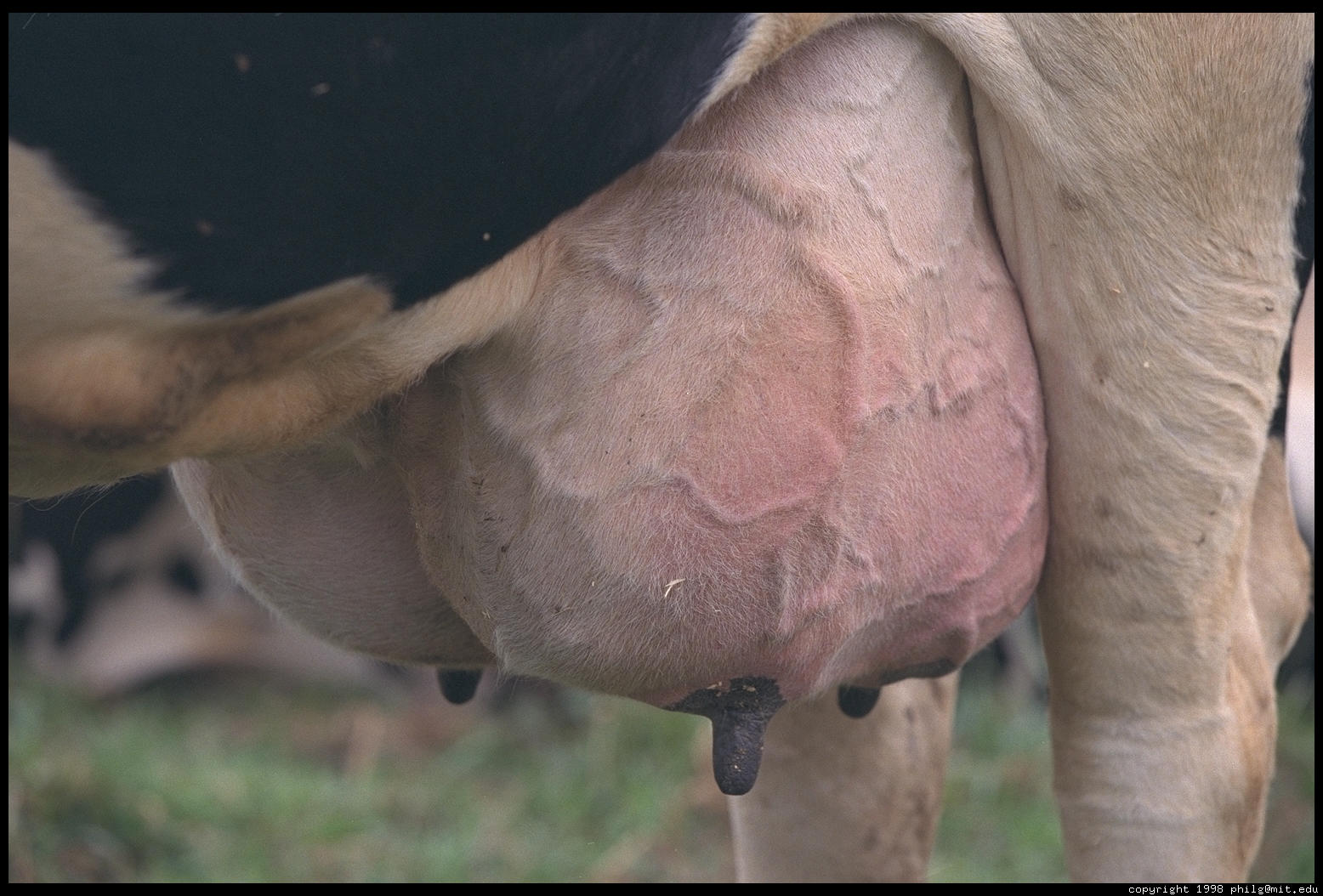
Breast is Best, breast is standard. Formula was designed as a medical option for infants who could not breastfeed either due to one of three extremely rare conditions or for the less than 2% of mothers who physically cannot produce enough milk or the less than 5% who, for other medical reasons, cannot breastfeed. Regardless of personal psychological response, the next best option for ALL babies, is the milk from another human mother. After all, why would we equate feeding our child milk produced from this:

http://advocacy.britannica.com/blog/advocacy/wp-content/uploads/cow-with-mastitis.jpg


http://philip.greenspun.com/images/pcd4554/cow-udder-38.4.jpg

As superior or even equal to the milk specifically created for this?:
Photo by of Blessed Life Photography

 Doesn't any healthy mother want the best for their child? So why don't we advocate more strongly to provide alternatives to the "fourth best" AKA worse, option to breastfeeding for mothers who either can't or don't want to nurse their babies? Why do we spend more time trying not to offend their choice to use the only option they believe is viable or obtainable instead of working to give them MORE options? Better options?

If you are interested in being a part of that option, click here to find out if donation is an option for you.


(1) Watch Your Language by Dianne Weissinger
(2) UNICEF, WHO, UNESCO: Facts for Life: A Communication Challenge. New York: UNICEF 1989; p. 20.
(3) Global Health Policies that Support the Use of Banked Donor Human Milk: A Human Rights Issue.
Further reading:
4. Enterobacter Sakazaki and other microorganisms in powdered infant formula
5. What Every Parent Should Know About Infant Formula
6. The Deadly Influence of Formula
7. Human Milk Banking
8. Nutrient By Nutrient Why Breast Is Best
9. Nutritional Information for Human Milk

Thursday, June 9, 2011

The Donor Milk Dilemma

Dripping Milk 4
Okay, hard truth first: Formula is not as good as human milk. Formula is rated fourth in the hierarchy for infant nutrition (Mom's milk, mom's pumped milk, milk from another mama, then formula) and should only be used for babies with galactosemia or any other reason that they cannot consume human milk.

Human milk is the standard of human infant and toddler nutrition. Formula is inferior, plain and simple. It has its place and can be useful, but it should not be the first option when breastfeeding/pumping cannot happen. If you cannot breastfeed, it does not follow that you must use formula.

Donor milk should be the first option after mother cannot provide the milk that baby needs. However, if you say that to most women, what is their first reaction?

"Eww! No way!"

Why? Why do we distrust other women so much as to assume that their milk is inferior to formula, when it was perfect for their own children? The risk of disease from donor milk is lower than the risk of formula contamination. But many women cannot be persuaded of this. Why?

"Women are dirty. Women's bodies are dirty."

This is a prevailing attitude in our society. It is illegal to show breasts outside your home, though men can show their nipples legally. It comes from puritanical thinking and the old "Eve committed original sin" attitude. Which is just plain ridiculous. It's the same reason that women think that childbirth must be a painful ordeal, despite the absence of pain in uncomplicated births in cultures that have not been exposed to this concept.

Women are adversarial to other women. They don't trust them. So, regardless of the fact that women go through the same STD checks in pregnancy and that donors are routinely screened, women refuse to accept that another woman's milk is clean. Sometimes, they cannot accept that another woman can do something that they cannot. Their competitive nature causes them to become resentful and aggressively reject that which they feel they cannot do.

Some women are so misogynistic that the thought of anything coming from a breast is 'dirty' -- even if it's their own! This is usually an attitude held by only the most immature mothers, though.

Many women tout themselves as 'victims' because they either made a choice not to breastfeed or were unable to, for whatever reason. But the real victims here are the babies, being given an inferior food substitute because of a cultural stigma against women's bodies.

Yes, some of it is the backlash of the medical germaphobe: 'all bodily fluids are infected with an unknown number of virulent diseases just waiting to pounce.' But even with that, there is still an imbalance, as formula is actually more bacteria-laden and research shows a greater risk of infection from it.
Refill for Will
I'm not saying women shouldn't have a choice. I am saying that formula should not be the first choice to follow. I'm saying that the cultural stigma against women needs to end. The hidden misogyny in our society needs to end. Only then can there be increased access to a variety of donor milk so that all babies who can safely consume human milk have access to it.

Friday, February 4, 2011

The Hidden Growth Spurt


"My ten month old has been waking frequently at night. I'm exhausted. Help! What can I do? Is this normal?"

Basically every DDC or DDG (due date club/group) gets this question. The responses are usually flooded with confused mothers agreeing that they are going through the same thing. It also seems to be forgotten, as it's not only first time moms who ask this. Probably due to that sleep deprivation. Since pediatricians only talk about physical growth spurts, this one is almost never mentioned to moms to warn them that it's going to happen, and that really sucks.

Because it's going to happen.

I've seen it mentioned only maybe once in an 'about your baby' type of publication. The ten month developmental growth spurt. At this time in baby's life she has just started walking or talking or is making the first attempts to do so. She's typically teething and noticing the world around her even more, as well. Some babies develop separation anxiety at this age that can also contribute.

Now "ten month" is the average age, however, it can happen as early as eight months or as late as fourteen to sixteen months, depending on the child. It lasts anywhere from a week to a few months--again, depending on the child.

It's normal and it does pass. Parents who used some sort of sleep training method almost universally notice it is a complete failure during this time period. It remains ineffective for weeks to months, except in some babies, who may already have medical or psychological issues.

Parents who cosleep report getting crawled on, kicked a lot, rolled over on and just a general increase in sleep activity. Often, a wide-awake baby greets them with the desire to play and or nurse at four in the morning.

Parents who do not cosleep report babies who start escaping their crib, get limbs entrapped in their sleep, cry more often, need to nurse more frequently or simply sit up and start playing at random intervals at night.

Temperament tends to dictate baby's response to this time period--fussy babies fuss, laid back babies entertain themselves, clingy babies cling, etc. All in all, it leads to the same result: tired parents!

Responsive parents seem to have the best luck with babies with shorter times in this phase, but certainly not always. Some previously laid back babies become high needs.

"...even though babies achieve this sleep maturity some time during the last half of the first year, many still wake up. The reason? Painful stimuli, such as colds and teething pain, become more frequent. Major developmental milestones, such as sitting, crawling, and walking, drive babies to "practice" their new developmental skills in their sleep. Then between one and two years of age, when baby begins to sleep through the above-mentioned wake-up stimuli, other causes of night waking occur, such as separation anxiety and nightmares. " 1

amirali

This post is really meant to just give a head's up and an explanation as to why it happens. The 'how to get him back to sleep?!' is, unfortunately, so variable as to not be able to be answered in general (like most baby questions). Different babies have different needs to get through this time period.

Feed the baby (hunger at night continues well into the second and even third year for most children), make sure they're safe and comfortable and try to sleep through the crazies as much as you can. Some babies will let you sleep while they play until they're ready to sleep again (my first was like that--her growth spurt lasted about a month or a month and a half) and some will be super demanding (my second, whose phase lasted about two weeks and I was about to start crying with her by the end of it) and everything in between. The only constant is that "training" is totally ineffective during this time (not that it ever achieves the desired goal of a content, sleeping baby, regardless of appearances) and is basically just torture to everyone involved.

Try to prepare with your significant other for this time period if you can and try not to plan to start any taxing activities that could be really messed up by lack of sleep if at all possible. And just remember--like any other growth spurt, it will pass!

Friday, December 17, 2010

Risks To Baby From Cesarean Section Birth

Originally published Nov 6, 2008 at 12:08 AM on Cafemom

So, I read a surprising comment today--someone believing the risk of amniocentesis outweighs the risk of a cesarean to the baby. She said that a cesarean has its risks, but amnio could be the end of the world.

Do people really think a cesarean is that SAFE? I'm sorry, but it's not. And while, yes, the risks to mom are higher than risks to baby, just because those risks are frightening and include horrific infections, infertility, death, etc. does not make the risks to baby insignificant (and they are still greater than to a baby born vaginally and include a 3x increase in risk in death).

Here's just the short list, so you don't have to drag through all the papers and sources I have.

Welcome to the world 1

image courtesy of stockxchng

Risks to baby from cesarean section birth

Breathing problems[1]

weakened immune system[2]

digestive problems[3]

fetal injury[4]

diabetes (risk is 20% greater for babies born by c-birth)[5]

asthma (risk is 50% greater)[6]

neonatal depression (from anesthesia)[7]

hospital borne infections (rate is higher due to the longer stay after a c-birth)[8]

neonatal mortality (risk rises from .62 to 1.77)[9]

and increased risk of SIDS[10]

Low APGARS[11]


There's the list of the most common side effects. I know that most people aren't aware of them, so that's why I compiled a list here. I couldn't find a comprehensive list anywhere else. I may expand this journal with a short synopsis of each condition at a later date.

My daughter was born by cesarean, beautifully, APGARS of 9, no side effects that we know of. But that doesn't negate that these risks are real and any baby born by cesarean could be affected in one of the ways above. It's important to be informed about the potential risks in any procedure being performed on you or your baby.


Baby Born

image courtesy of stockxchng


[8]Pai, Madhukar. 2000. “Medical Interventions: Caesareans Sections as a Case Study.” Economic and Political Weekly 35 (31): 2755-2761.

Thursday, August 12, 2010

No, babies DON'T need to cry

Most people don't realize that leaving baby to "Cry it out" is doing more harm than the good that the extra bit of sleep it gives the parents could ever do. First, parents are adults--they understand why they aren't having their needs met (typically, sleep in this case), but infants are incapable of understanding complex concepts like this until 2-3 YEARS of age (at least)! A newborn is truthfully a 'blank slate' right down to their smooth, unformed brain.
People believe they're even doing GOOD for their child by forcing them to cry, alone in a crib, unknowing why they have been left. It's not human nature to leave our babies behind--before industrialized nations, we never would have done so. To do so would have meant death, very quickly, for the baby. So, a baby, when left alone, does not know what is going on. Instinctively, it cries to get attention from its parents, desperate not to be left to die.
"My baby doesn't feel abandoned!" cries the mother who uses CIO. Um, really? You're telepathic? You can experience your baby's emotions and hear his/her thoughts? Because unless all of that is true, you have no idea what it's doing to your baby. You have no idea what your baby is feeling, except by what your baby.
If YOU were left in a place that was frightening, huge, unfamiliar (it can take months for familiarity to set in, even in an adult, but particularly in a baby, who has little to no memory or ability to form memories and no ability to form permanent memory) place where you were unable to move and everything you had ever known (loud, warm, soft, close quarters where you could constantly smell your mother, were never hungry or unhappy) was suddenly ripped away and you were hungry, but unable to feed yourself or tell anyone that you're hungry in terms they can understand, or cold or scared or lying in your own filth because, since you can't move, you cannot clean the waste coming out of your body--imagine being in a hospital bed in a foreign country where everyone speaks with clicks.
How would you feel? Especially if, for the entirety of your life before, your every need was met and you had never experienced discomfort before? You knew you could rely on your mother to keep it that way and suddenly, she's gone. Maybe she reappears, but she's speaking that strange clicking language and you don't know how to get her to understand that you have needs. What's more, she doesn't seem to care! She left while you were still crying for help!
Abandonment, frustration, fear (what if they don't remember to feed you? After all, you're hungry and you have no concept of time at all--you don't know what that is!), and they don't seem to understand, because they just fed you, that you had to stop because you were tired or thought you were full, but it was just a gas bubble or the food digested just that quickly and you need more), loneliness... just a few of the feelings you might have.
That's a peek into the life of the baby left to CIO. Their first view of the world... how can that possibly be okay? If you were introduced to a country in that way, would you trust anyone there? No, you wouldn't and to say otherwise is to lie to yourself.
Science Says: Excessive Crying Could Be Harmful to Babies
Science tells us that when babies cry alone and unattended, they experience panic and anxiety. Their bodies and brains are flooded with adrenaline and cortisol stress hormones. Science has also found that when developing brain tissue is exposed to these hormones for prolonged periods these nerves won’t form connections to other nerves and will degenerate. Is it therefore possible that infants who endure many nights or weeks of crying-it-out alone are actually suffering harmful neurologic effects that may have permanent implications on the development of sections of their brain? Here is how science answers this alarming question:
Chemical and hormonal imbalances in the brain
Research has shown that infants who are routinely separated from parents in a stressful way have abnormally high levels of the stress hormone cortisol, as well as lower growth hormone levels. These imbalances inhibit the development of nerve tissue in the brain, suppress growth, and depress the immune system.
Researchers at Yale University and Harvard Medical School found that intense stress early in life can alter the brain’s neurotransmitter systems and cause structural and functional changes in regions of the brain similar to those seen in adults with depression.
One study showed infants who experienced persistent crying episodes were 10 times more likely to have ADHD as a child, along with poor school performance and antisocial behavior. The researchers concluded these findings may be due to the lack of responsive attitude of the parents toward their babies.
Dr. Bruce Perry’s research at Baylor University may explain this finding. He found when chronic stress over-stimulates an infant’s brain stem (the part of the brain that controls adrenaline release), and the portions of the brain that thrive on physical and emotional input are neglected (such as when a baby is repeatedly left to cry alone), the child will grow up with an over-active adrenaline system. Such a child will display increased aggression, impulsivity, and violence later in life because the brainstem floods the body with adrenaline and other stress hormones at inappropriate and frequent times.
Dr. Allan Schore of the UCLA School of Medicine has demonstrated that the stress hormone cortisol (which floods the brain during intense crying and other stressful events) actually destroys nerve connections in critical portions of an infant’s developing brain. In addition, when the portions of the brain responsible for attachment and emotional control are not stimulated during infancy (as may occur when a baby is repeatedly neglected) these sections of the brain will not develop. The result – a violent, impulsive, emotionally unattached child. He concludes that the sensitivity and responsiveness of a parent stimulates and shapes the nerve connections in key sections of the brain responsible for attachment and emotional well-being.
Decreased intellectual, emotional, and social development
Infant developmental specialist Dr. Michael Lewis presented research findings at an American Academy of Pediatrics meeting, concluding that “the single most important influence of a child’s intellectual development is the responsiveness of the mother to the cues of her baby.”
Researchers have found babies whose cries are usually ignored will not develop healthy intellectual and social skills.
Dr. Rao and colleagues at the National Institutes of Health showed that infants with prolonged crying (but not due to colic) in the first 3 months of life had an average IQ 9 points lower at 5 years of age. They also showed poor fine motor development.
Researchers at Pennsylvania State and Arizona State Universities found that infants with excessive crying during the early months showed more difficulty controlling their emotions and became even fussier when parents tried to consol them at 10 months.
Other research has shown that these babies have a more annoying quality to their cry, are more clingy during the day, and take longer to become independent as children.
Harmful physiologic changes
Animal and human research has shown when separated from parents, infants and children show unstable temperatures, heart arrhythmias, and decreased REM sleep (the stage of sleep that promotes brain development).1
There is a four-year period of "potential" growth, which is the most critical period of human development. This time is from conception until about the third birthday. During this time, all things are possible - learning to walk, learning to talk, learning how to "fit in" to society. There is a need for many experiences in order to master skills. (Families and Work Institute, 1996). Maria Montessori, years ago, called this time that of the ABSORBENT MIND (La Mente del Bambino). Her conclusions were similar to what scientists are finding today. (Montessori, 1953).2
We live in an age where we can know that the baby is safe in another room, despite the loudness of his cries. Does this mean we should leave babies to cry on their own? CIO proponents often advise that babies left to cry will eventually stop, and the duration of future crying bouts will decrease. What are the emotional consequences of crying for the infant when she is left unattended? Bowlby and colleagues initiated a series of studies where children between the ages of one and two who had good relationships with their mothers were separated from them and left to cry it out. Results showed a predictable sequence of behaviours: The first phase, labeled “protest”, consists of loud crying and extreme restlessness. The second phase, labeled “despair”, consists of monotonous crying, inactivity, and steady withdrawal. The third phase, labeled “detachment”, consists of a renewed interest in surroundings, albeit a remote, distant kind of interest. Thus, it appears that while leaving babies to cry it out can lead to the eventual dissipation of those cries, it also appears that this occurs due to the gradual development of apathy in the child. The child stops crying because she learns that she can no longer hope for the caregiver to provide comfort, not because her distress has been alleviated.
Do babies cry more when they are attended to? A 1986 study concluded just the opposite: the more a mother holds and carries her baby, the less the baby will cry and fuss. Cross-cultural studies also show that parents in non-Western societies are quicker than parents in Western societies to respond to their crying babies, and babies in non-Western societies cry for shorter spans of time. Caregivers in 78% of the world’s cultures respond quickly to an infant’s cries.3
Similar social learning opportunities occur when an infant attempts to communicate through its cries. Crying may be spurred because the infant is hungry, in pain, uncomfortable or frightened. Often upon waking, an infant will begin to signal to its caregiver with soft whimpering, which eventually accelerates into frantic crying if it receives no response.
Sometimes crying is misconstrued as an idealized expression of anger or manipulation. Yet, such distressed crying in a young infant might better be described as a fear response. A fear invoked by the uncomfortable feeling of being soiled, the rumbling of stomach pains, or the vulnerableness of being alone in the dark.
Fear of predators and death is an emotion deeply seated within our evolutionary biological makeup. In our earliest days, families and tribes huddled closely together in the dark to help soothe this fear. The idea of "safety in numbers" held true, because a larger group of humans would fair better warding off predators as a small group or sole individual would.
Today, we as parents may know that an infant is safe alone in its crib. However, the biology of an infant's brain is initially encoded with innate fear responses, which are easily prompted often in early life.
When the infant is in a state of helpless fear and panic the amygdala kicks in and sends messages to the brain to prepare the body for "flight or fight." An infant can neither fight nor flee. If the panic isn't subdued by intervention from a nurturing adult, the flood of chemicals and hormones may rage through the brain, specifically targeting the amygdala and hippocamus, for an unhealthy length of time.
Crying infants who are unattended have been known to cry desperately for an hour or more until the amygdala eventually shuts down. The infant in turn, learns after repeated episodes that it can not expect comfort and response to its cries, and it may decide its needs are unworthy of attention and nurturing--a decision which may ultimately affect the infant's development of self-worth and connectedness to the world.
Even though the brain may eventually determine it is not in any danger on its own, vital opportunities to develop and reinforce social lessons in trust, security and empathy may be missed if no attempt is made by a nurturing caregiver to calm that state of emotional turmoil.4
Originally Published Feb 13, 2008 at 3:04 PM

Wednesday, August 11, 2010

The Manipulation Myth

First, let's sort this out. This is manipulation:


This is not manipulation:

Again, this is manipulation:


The reason that manipulation works is because the end result is something that is mutually beneficial, in most cases. What is offensive about children's manipulation isn't the end result, but the way it was achieved. In the above comics, Calvin's dad isn't going to be sorry that he gave Calvin the pony ride or told him a story, he really will be glad to have spent that time. But the way Calvin achieves it leaves much to be desired. If a child needs to learn to manipulate, then in most cases, some need isn't being met (sometimes, a manipulative parent is the behavioral model instead). Some are more obvious than others--a child manipulating for a toy, for example, may not have a clear motive other than wanting that toy. But that they feel manipulation is the only way to achieve getting that toy is indicative of a communications problem in the home (all relationships require two-way communication--romantic, platonic and familial--to function properly).

An infant is totally incapable of this thought process. What they are capable of is learning to decipher what their body is telling them and attempting to communicate that to their parents (through instinctive motions, signaling, and finally crying). Communication is not manipulation. That is the same as believing a child (who is not yet allowed or able to make their own food) saying "I'm hungry" is manipulative, or a spouse asking "Can you take out the trash, my hands are full?" You can choose to view any inoffensive request as manipulative, but that just creates an adversarial state in that relationship and doesn't make it any more correct.

One of the key ingredients in manipulation is empathy--the ability to understand the feelings of others. This ability is learned (or developed) somewhere between 3-4 years old, typically. Infants are incapable of any thoughts like this. The second key ingredient, cause and effect, isn't even a learned skill until 19-23 months. Sure, they get some basics, like "if I eat, my stomach stops grumbling", but more complex cause and effect like "If I do A, then B happens" (such as a jack-in-the-box) where the relationship of B to A is understood, is a toddler milestone.

Why do we fear manipulation? Because the motives behind manipulation in adults is seldom innocent or in the best interest of the manipulated party. But children are not adults, they do not think like adults, they do not have adult desires and they do not have malicious intent behind attempting to have their wants and needs fulfilled.

Infants, even more so, do not even think like children or toddlers. We are uncertain how infants think, but we are aware of their developmental capabilities. Manipulation--or the adult concept of coercion being used to force another person to do something not in their best interest--is not one of their capabilities.

So when your instincts tell you that your baby is hungry or needs you--your instincts are right. The book (or well-meaning friend/relative/acquaintance/stranger) that told you that your baby is manipulating you is wrong. It really is that black and white. With infants, there is no grey on this subject. They can only communicate to have their needs met. And studies have shown that babies who have their needs consistently met are more secure, independent, trusting, cooperative, empathetic and have a better capacity for dealing with stress as children and adults.

A couple Resources (it would take too long to list them all, so here's two key sites):
Infant and Toddler Development Milestones
(Infant) Attachment and Adult Relationships